As an international B2B buyer, one of the most frustrating things to learn is why a one-week holiday manages to paralyze production for an entire month. The answer lies in the systemic China sourcing Chinese New Year impact. This annual event causes a total reset of labor mobility, factory output, and global logistics infrastructure.
For the upcoming 2026 season, which peaks around February 27, understanding the China sourcing Chinese New Year’s impact on Chinese sourcing is the difference between having stock on your shelves or facing a total business freeze. In this guide, Boltidea explains how this disruption works and how you can turn this risk into a competitive advantage.
Part 1: Why the China Sourcing Chinese New Year Impact Lasts 30 Days
The Spring Festival is China’s most vital tradition, centered on family homecoming. While the official government break is short, the real China sourcing Chinese New Year impact begins weeks earlier due to the Chunyun Travel Rush, the largest annual human migration on Earth.
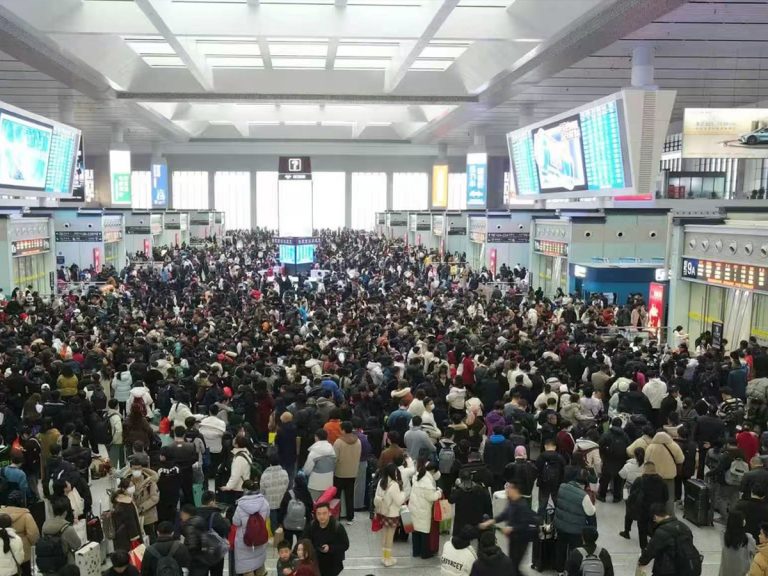
In manufacturing hubs like Guangdong and Zhejiang, over 60% of factory workers are migrants. These workers typically leave 10 to 15 days before the holiday to secure seats on trains or buses. Because this migration is so massive, production starts to slow down significantly in mid-February, long before the “official” holiday dates. The total China sourcing Chinese New Year impact window usually exceeds 40 days when you account for the travel time and the slow restart of assembly lines.
The Three Phases of the China Sourcing Chinese New Year Impact
To protect your procurement, you must plan your supply chain around these three predictable phases of the China sourcing Chinese New Year impact.
Phase 1: The Pre-Holiday Slowdown (Mid-February 2026)
As workers head home, factory output drops by 30% to 50%. This creates a massive China production delay in February. Custom orders that usually take two weeks will suddenly require four or five weeks. Simultaneously, trucking capacity falls by 40%, and port congestion begins to peak as every buyer tries to ship their goods at the same time.
Phase 2: The Full Holiday Shutdown (Feb 27 – March 4, 2026)
This is the peak of the China factory shutdown holiday. During this week, over 95% of manufacturing and logistics parks stop working entirely. Major ports like Yantian and Yangshan operate with skeleton crews, reaching only 15% efficiency. According to World Bank trade reports, systemic shutdowns like this can increase daily port congestion costs to USD 50,000 per vessel, a cost often passed down to the buyer.
Phase 3: The Post-Holiday Slow Recovery (Mid-March 2026)
The China sourcing Chinese New Year impact does not end when the fireworks stop. Factories face a “labor gap” because up to 20% of workers do not return to their old jobs. Reaching full capacity takes another two to three weeks of re-hiring and training, causing a China logistics delay during Chinese New Year that lasts well into late March.

8 Proven Strategies to Manage the China Sourcing Chinese New Year Impact
Based on our experience as a professional sourcing agent, here are 8 strategies to ensure your business survives the 2026 season.
- Advance Order Planning: Finalize your Q1 orders by November 2025. Being first in the production queue is your only guarantee of on-time delivery.
- December Deadlines: Set a goal to have all “Must-Go” inventory on the water by late December or early January. Shipments leaving in February face a 50% higher risk of being rolled to a later vessel.
- Inventory Buffering: Build a 30% to 40% safety stock buffer specifically to account for the China sourcing Chinese New Year impact.
- Capacity Locking: Sign “Holiday Retention Agreements” with your direct China factories to ensure they prioritize your orders once they restart.
- Labor Premiums: Offer to pay a 150% labor premium if necessary to keep a specialized production line running through the early slowdown phase.
- Contractual Buffers: Include “CNY Delivery Exception” clauses in your contracts. Define the impact window as Feb 15 to March 15 to avoid unnecessary legal disputes over late arrivals.
- Sourcing Diversification: Move 20% of your production to Southeast Asian hubs. While they also celebrate Lunar New Year, the workforce migration is less extreme than the China sourcing Chinese New Year impact.
- Digital Tracking: Use supply chain management tools to monitor your China production delay in February. Real-time data prevents the factory from hiding delays until it is too late to react.
Part 4: Comparing the China Sourcing Chinese New Year Impact to Global Holidays
The China sourcing Chinese New Year impact is far more disruptive than Western Christmas or New Year. It is a total system reset, not just a few days off.
| Factor | China – CNY 2026 | Western New Year | Thailand Songkran |
| Impact Duration | 4–6 weeks | 1–2 weeks | ~2 weeks |
| Supply Chain Scope | Factory + Port + Labor | Mainly Logistics | Local Logistics |
| Recovery Speed | Slow (~15-20 days) | Fast (3–5 days) | Moderate (~7 days) |
The reason for this difference is that the China sourcing Chinese New Year impact involves the total shutdown of the world’s most complex component ecosystem. When the small factories making screws and chips close, the big assembly plants cannot function.
FAQ: Navigating the China Sourcing Chinese New Year Impact
Q: When is the actual “Blackout” window for 2026?
A: You should treat February 5 to March 5 as a total blackout. While some work happens, the risk of a China logistics delay for Chinese New Year is too high to rely on standard timelines.
Q: Do the ports actually stop moving?
A: No, but they move at 15% efficiency. Berthing delays of 5 to 7 days are common, which creates a China sourcing risk management nightmare for urgent air or sea freight.
Q: Why don’t the factories just hire more people?
A: Because everyone is traveling home at the same time. The labor shortage during the China sourcing Chinese New Year impact is a nationwide geographic issue, not a financial one. Even if you pay more, the workers prioritize family reunions.
Boltidea’s Solution for the China Sourcing Chinese New Year Impact
Navigating the systemic Chinese New Year supply chain disruption alone is a high-risk move for any B2B brand. Boltidea operates a dedicated task force specifically to manage the China sourcing Chinese New Year impact for our global clients.
- 7×12 Monitoring: We stay active on the ground from Feb 15 to Mar 15. We are your eyes inside the factory to ensure they aren’t falling behind before the shutdown.
- Emergency Logistics: We work directly with port authorities to bypass the China logistics delay during Chinese New Year. In 2025, we successfully cut a client’s port delay from 8 days to just 48 hours.
- Quality Safeguards: We perform final inspections before the China factory shutdown holiday begins. Rushed production in mid-February often leads to higher defect rates, and we catch those errors before the goods ship.
Part 7: Summary: Turning a Shutdown into a Strategic Edge
The China sourcing Chinese New Year impact is a collision of ancient culture and modern global trade. It is long, deep, and completely unavoidable. However, it is also highly predictable.
By using these 8 proven strategies and working with a reliable China warehousing partner, you can keep your supply chain running while your competitors are stuck with empty shelves. Mastering the China sourcing Chinese New Year impact is the hallmark of a professional global buyer.
Don’t wait until February to see if your goods ship. Contact Boltidea today to plan your 2026 strategy and beat the China sourcing Chinese New Year impact before it starts!